
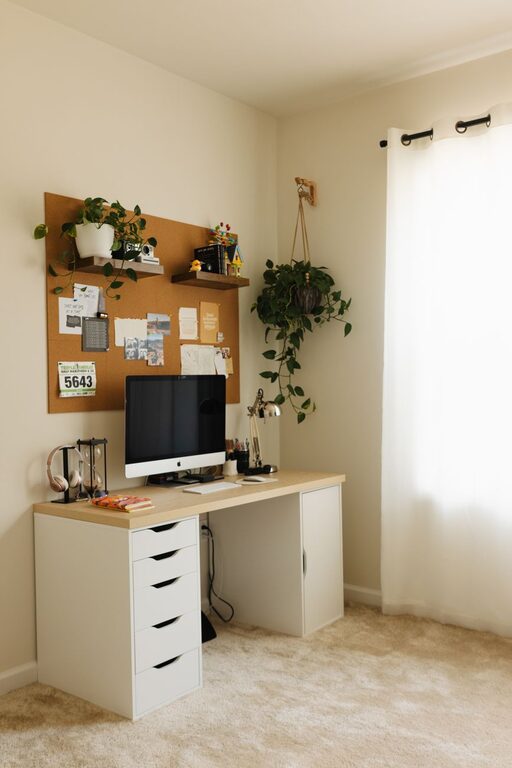
Tips for Creating a Cozy and Productive Home Office Space
Creating a cozy and productive home office space is essential for anyone working from home or managing personal projects. A well-designed workspace not only boosts efficiency but also helps maintain a positive mindset. If your home office feels cluttered, uninspiring, or uncomfortable, it might be time for a change. This guide offers practical tips to help you set up a home office that feels inviting and supports your productivity.
Choose the Right Location
Selecting the best spot for your home office is the first step. Ideally, find a quiet area of your home with minimal distractions. If possible, choose a room with a door so you can separate worktime from personal time. If a dedicated room isn’t available, a corner in a living space or bedroom can still work well.
Consider natural light when choosing your spot. A workspace near a window provides daylight, which improves mood and focus. Avoid glare on computer screens by positioning your desk perpendicular to the window.
Invest in Ergonomic Furniture
Comfort is key to staying productive. Buy a desk and chair that support good posture. An adjustable chair with lumbar support helps reduce back strain during long hours of sitting. The desk height should allow your arms to rest comfortably while typing.
If you spend a lot of time on calls or reading, add a comfortable chair or small sofa for breaks. Standing desks or adjustable workstations are another option, letting you alternate between sitting and standing throughout the day.
Organize and Declutter
A tidy workspace keeps your mind clear. Use organizers such as drawer dividers, shelves, and filing cabinets to store office supplies and paperwork. Keep only the essentials on your desk to avoid distractions.
Cable management tools help reduce the clutter of cords and chargers. Label wires and use clips or sleeves to bundle them neatly. This simple step makes your desk safer and more visually appealing.
Personalize Your Space
Adding personal touches can make your office feel welcoming. Hang artwork or photos that inspire you. Incorporate colors that promote calmness or creativity—such as soft blues, greens, or warm earth tones.
Plants are a great way to bring life into your office. They improve air quality and may reduce stress. Even a small succulent or a leafy potted plant can boost your mood.
Control Lighting
Good lighting is crucial. Combine natural light with adjustable artificial lighting to avoid eye strain. A desk lamp with adjustable brightness and color temperature helps you work comfortably at any time of day.
Avoid harsh overhead lights that create glare. Instead, opt for soft, diffused lighting that illuminates your workspace evenly.
Minimize Noise Distractions
Noise can interfere with concentration. If possible, choose a quiet room or add soundproofing elements like curtains, rugs, or acoustic panels. Noise-cancelling headphones are an effective solution for blocking background sounds.
You might also try playing soft background music or ambient sounds to improve focus, depending on your preferences.
Use Technology Wisely
Keep your technology up to date and organized. Invest in reliable internet connectivity and necessary equipment like a quality webcam and microphone if video calls are part of your routine.
Consider using productivity tools like task managers, calendars, and note-taking apps to stay organized. Regularly update software and back up important files to prevent disruptions.
Create a Routine
Even the best workspace can’t replace a good routine. Define working hours, take regular breaks, and set goals for each day. This structure helps maintain a healthy work-life balance, especially when working from home.
Organize your day with blocks of focused work time and short pauses to stretch or relax. A well-timed break can refresh your mind and improve overall productivity.
Keep Comfort Essentials Handy
Small conveniences make a big difference. Have a water bottle nearby to stay hydrated, keep healthy snacks within reach, and ensure your room temperature is comfortable.
Adding a small fan or space heater can help control your personal comfort. Keep blankets or cushions handy if you tend to get chilly while working.
Final Thoughts
Designing a cozy and productive home office space doesn’t require a major renovation. With thoughtful planning and a few simple changes, you can create an environment that supports your workflow and well-being.
Remember that your home office should reflect your personal needs and style. Experiment with your setup until you find the perfect balance between comfort and functionality. A well-crafted workspace is a valuable investment in both your professional success and daily happiness.
